From runner to showrunner.
On New Year’s Eve 1988 I walked into Soldier Field in an overcoat, a tie and a fur hat. I was 15 and didn’t have a driver’s license. This is how I got from there to here.
The Fog
December 31, 1988
By the second half, you couldn’t see the field. Fog had rolled off Lake Michigan and swallowed Soldier Field, and the CBS cameras were shooting gray. Someone in the booth asked how well I knew the Bears. Very well. So they put a headset on me and sent me down to the field to be their eyes.
“Bears getting ready to run. Neal Anderson, five yards to the left. Might have a first down.” Then I added a line of my own: I wouldn’t put it past Buddy Ryan to try to put 12 guys on the field in this fog. A minute later, Terry Bradshaw said it on national television.
It was my first day in TV. It was the Fog Bowl.
The Keys
1988–1989
I wasn’t a Bears fan. I was a fan of the people who put the Bears on TV. I used to hang around Halas Hall in Lake Forest watching the crews do their live shots, and that’s where I met Terry Bradshaw. He scribbled down a name, Pete Macheska, and a number at the Ritz-Carlton. “Call this guy and tell him to hire you as the talent runner.”
A week after the Fog Bowl, after the NFC Championship, Pete handed me the keys to a rental Cadillac: drive Brent Musburger and Ted Shaker to O’Hare. I had a learner’s permit. I traded my CBS Sports hat to a cop, who turned it into a police escort up Lake Shore Drive, while I drove with one foot on the gas and one on the brake and the executive producer of CBS Sports coached me into the left lane.
I didn’t know you could just return the car, so I drove it home. My dad was standing in the driveway. “You stole a car?”
If you’re going to give me the keys, I’m going to drive the car.
The Kid Who Gets Things Done
1989–1994
CBS Sports had everything back then: the NFL, baseball, the NBA, the Final Four, the Olympics. I had a car and my weekends. Through college at Dayton and Indiana, I drove to wherever the crew was: the 1990 World Series in Cincinnati, the 1991 Final Four in Indianapolis, the Super Bowl in Minneapolis. Graphics, stage managing, stats, whatever needed doing. In 1992 I took a semester off to work ski jumping at the Albertville Olympics and called in live reports to Chicago radio every day.
By Lillehammer in 1994 I was running graphics for the weekend show with Tim McCarver and Paula Zahn, and I misspelled Johann Olav Koss, Norway’s biggest star, on air, in Norway. When the producer came at me, I stood up and said, “Yeah, I screwed up.” The anger went right out of the room. I’ve run every crew since with that lesson.
The Fork in the Road
1994–2002
Then CBS lost the NFL to Fox, and a lot of the people who raised me in the business went west. I had the chance to go with them. I stayed, because I wanted New York and I wanted CBS. Looking back, that might have been a huge mistake.
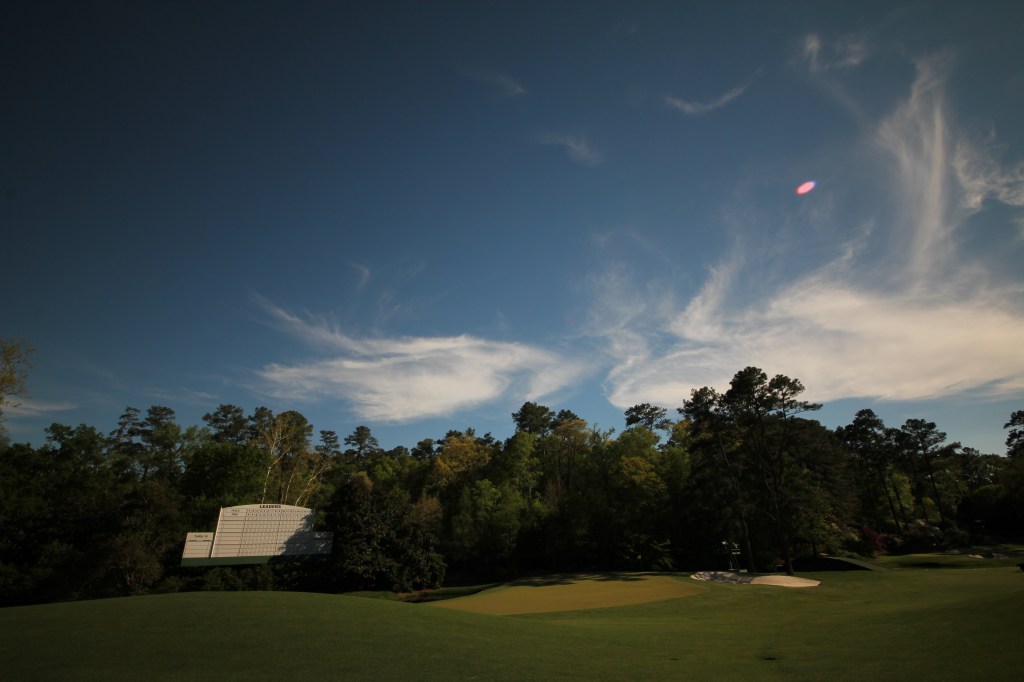
I was one of the first production hires at Golf Channel and helped put it on the air. I went to HBO for Rebels with a Cause, the story of the American Football League, and went freelance as the business changed. The Olympics kept calling: Atlanta, Nagano, and Salt Lake City in 2002 with NBC, producing freestyle skiing at Deer Valley. NBC’s coverage won the Emmy. It was my first. And every April since 1997, I’ve been at Augusta for the Masters.
The Road West
1998–2007
In 1998 my father got sick out in San Francisco, so I drove west. My brother Tony wanted to make a documentary, and I’d started shooting on my own camera, so we made one together: Barberland, a portrait of the vanishing American barbershop, filmed in 38 states. This was before reality TV. When we walked in with a camera, barbers assumed we were the IRS. We paid for it, shot it, cut it and argued over it as brothers. It aired nationally on PBS, and like good barbershop wisdom, it’s gotten better with age.
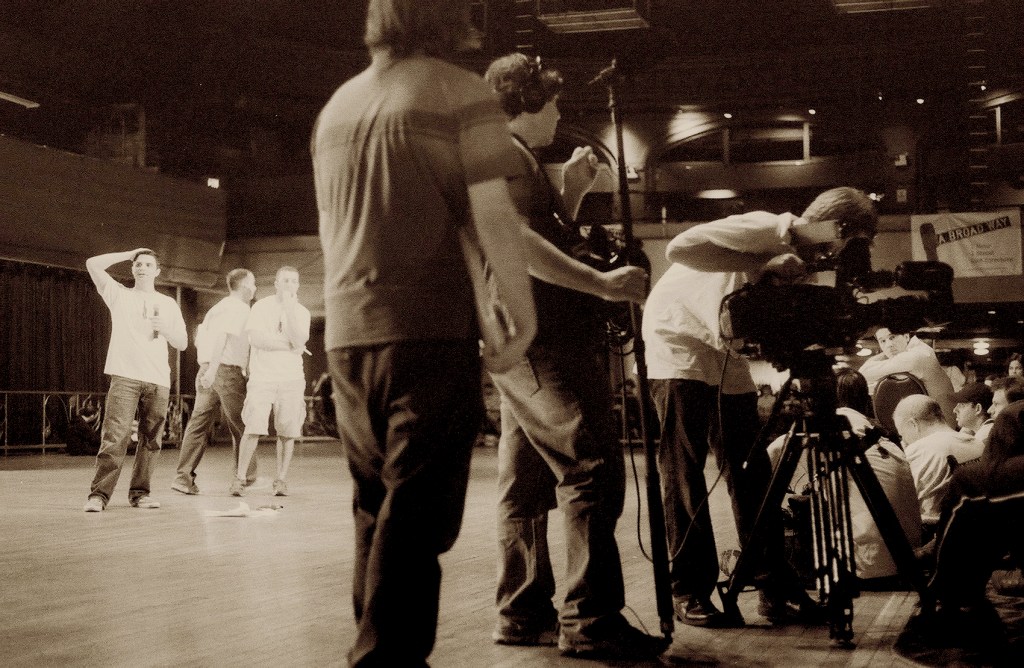
Back in New York, I put out an open call on a brand-new Craigslist and on flyers stapled to telephone poles. On June 6, 2006, more than 400 filmmakers met at Roseland Ballroom and filmed every block of Broadway in the same hour, on the largest film permit ever issued in New York City. A Broad Way won Best Documentary at the ACE Film Festival. To make it, I needed a company. I called it Saul Goode, because it’s all good.
Running the Room
2007–2020
Independent film broke my heart a little. Buyers wanted celebrity names, and we had 400 artists. Television wanted ideas. I developed and sold MTV Hired, real young people in real job interviews waiting for a real phone call, including Gary Vaynerchuk making one of his first hires on camera. I ran the show and directed it. HBO’s March to Madness, Netflix’s First Team: Juventus and Disney+’s Marvel’s Hero Project followed.
In 2019 ESPN asked me to direct the Arthur Ashe Courage Award tribute to Bill Russell. I built it around his 1966 memoir, Go Up for Glory. Eight days out, we got nine minutes with President Obama. He walked in and told me he’d read the book in college, and again the night before. I had eight questions. I asked two. He answered fifteen.
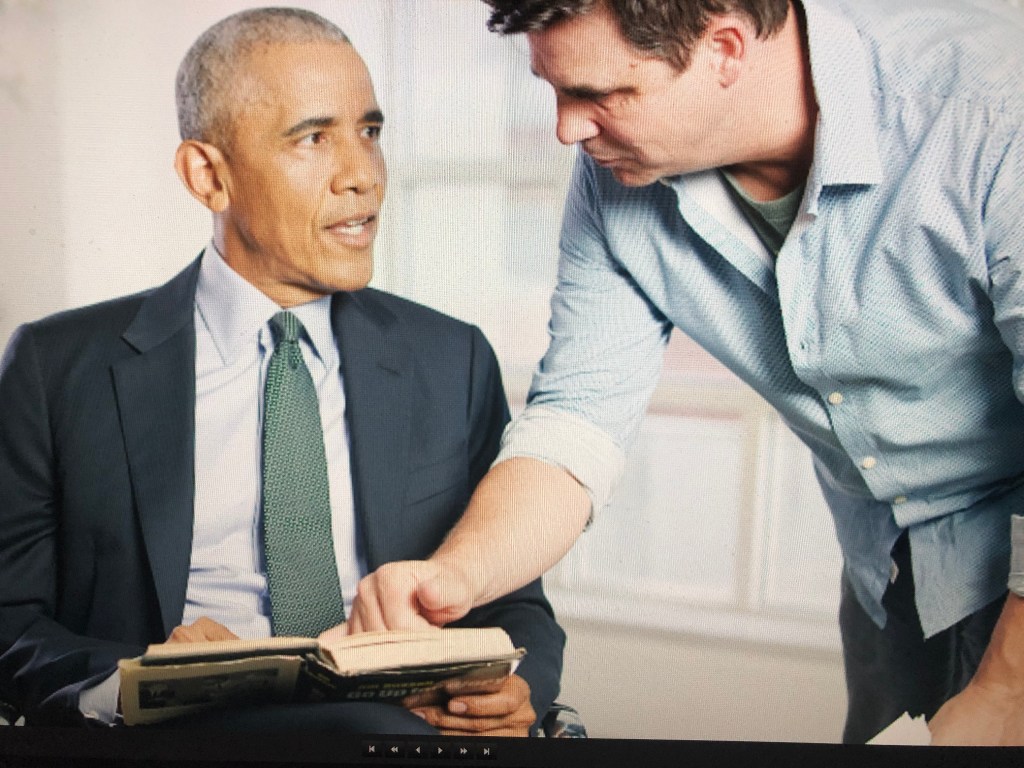
The only shoot of my life where I walked out knowing I had it.
The Most Senior Producer
2020–2022
Then the world stopped. Right at the top of my career, the phone stopped ringing. Nobody traveled. Even the Masters moved to November. It was hard, and it was a gift. I was home while my son learned to read, in the most senior producer role there is: father.
On the Gas
2023–now
Back on the road, I spent two seasons as series producer and field director on Netflix’s NASCAR: Full Speed, earning the trust of drivers who lose far more races than they win. Over those two seasons, Denny Hamlin went from one of the sport’s most polarizing drivers to one of its most popular.
Then Ryan Blaney had an idea: what if Hot Ones happened in a race car? Tally Hair brought it to me, and with Words+Pictures we built On the Gas: celebrity interviews at close to 180 mph around Indianapolis Motor Speedway, presented by BODYARMOR. The night before the first shoot, the microphones still weren’t working. Season one drew 3.4 million views on NASCAR’s YouTube channel, and two episodes landed among NASCAR’s five most-watched videos of 2026. Season two is on the way.
Along the way, I’ve tried to do for others what Pete Macheska did for me. Jasper Cicero was just out of college when he helped me make the Bill Russell film. I handed him the keys.
Two Businesses
My dad sold industrial parts and machinery. He never really understood how television got made, and I never did a great job explaining it. But he was proud of me. I wish he could see the work I’m doing now, because I think he’d recognize it: hard work, grit, details, leadership, a team pulling together for a common cause. Two businesses with nothing in common on the surface, and everything in common underneath.
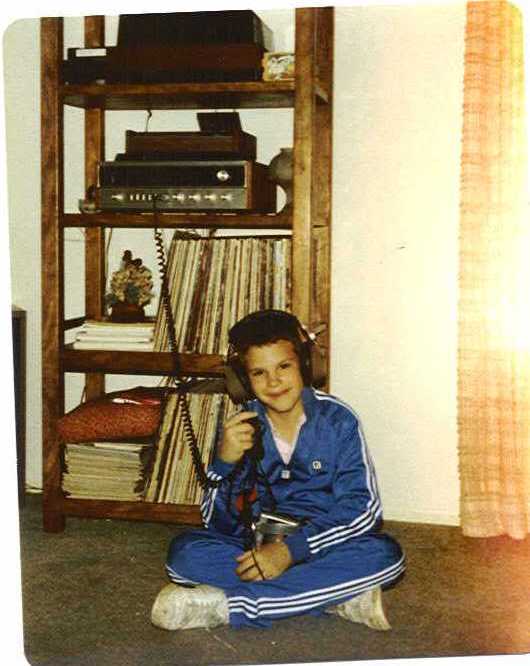
If I could talk to that kid in the fur hat before the fog rolled in, I’d tell him: send a lot of thank-you notes. Do the extra work. Take more pictures. Write a journal.

